
The government has removed the 11% import duty on cotton till October 1, a move that the textile industry had been demanding for several months. The decision comes at a time when domestic cotton production has struggled to keep pace with rising demand from spinning mills, apparel makers and exporters.
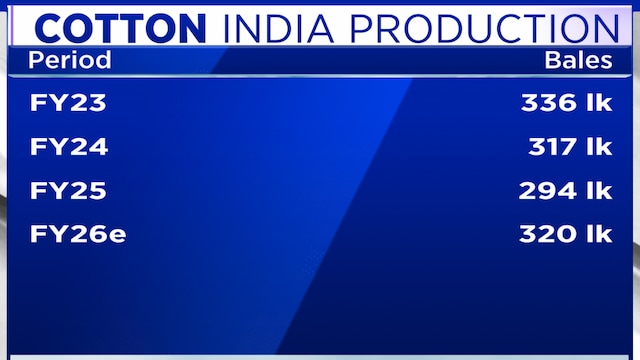
“Last four or five years, we have seen that somehow the cotton production that India has is unable to meet the demand,” Rajagopal said.
According to him, the imports are unlikely to materially hurt domestic farmers because most of the local cotton crop has already arrived in the market. He described the move as a temporary supply-side measure aimed at stabilising availability and prices.
“This is basically a supply-side measure,” he said.
Also Watch | India removes cotton import duty to boost textile exports, competitiveness
Rajagopal expects the duty waiver to provide relief to textile manufacturers facing higher cotton prices and elevated input costs amid geopolitical uncertainty. He added that spinning companies, garment exporters and small textile businesses are likely to benefit the most from cheaper cotton imports.
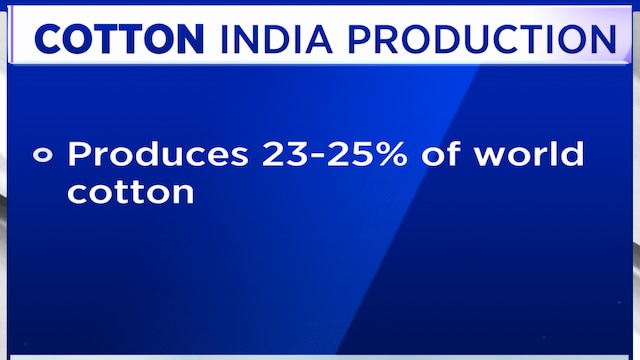
India remains one of the world’s largest cotton producers, but the industry estimates that annual domestic consumption demand could reach 328-340 lakh bales, higher than current production levels.
The industry also expects the move to improve India’s export competitiveness against countries such as Bangladesh and Vietnam, especially as global trade conditions gradually improve after recent tariff-related disruptions.
Also Watch | Why high oil prices are making goods from cotton to chemicals expensive
“With the 11% duty, which was a major impediment, because after all, you start with the raw material cost in whatever production you do,” Rajagopal said.
Watch the full conversation here

He also expects cotton prices in India to moderate after the import duty removal. Domestic cotton prices had risen sharply in recent months, but imports could help bring prices closer to international levels.
“Industry is looking for raw material at an international price,” he said.
Rajagopal noted that cotton continues to play a major role in India’s textile exports. Nearly 60% of India’s cotton production is eventually exported in the form of fibre, yarn, fabric or garments, even though domestic fashion demand is increasingly shifting towards man-made fibres and synthetic textiles.
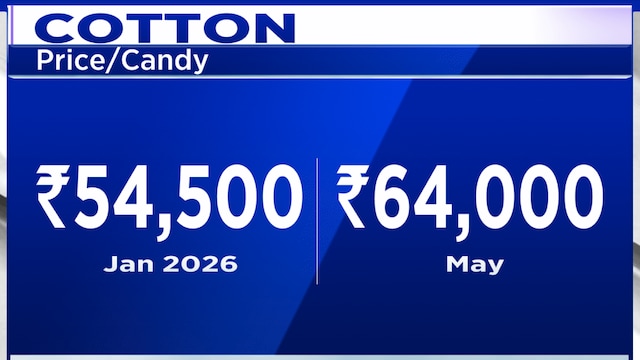
According to him, the temporary duty relief could help the industry stabilise raw material costs and support India’s longer-term textile export growth plans.
Catch all the latest updates from the stock market here