
Pabreja said soaring freight costs, delays in shipments and a stronger dollar are sharply increasing import costs for almonds, pistachios and dates, raising concerns for both traders and consumers ahead of the festive season.
“We will be having a reduction of 20 to 25% of imports in India,” Pabreja said, adding that India remains heavily dependent on imported dry fruits and nuts.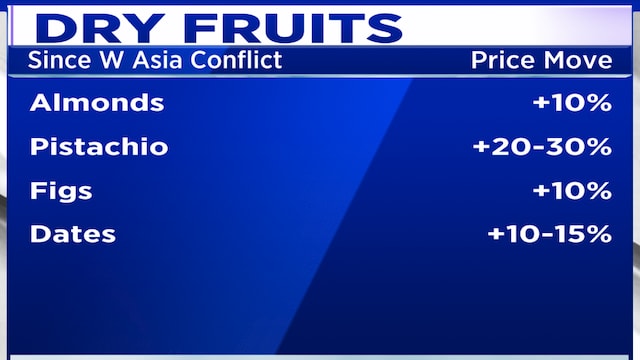
One of the biggest problems right now is logistics. According to Pabreja, freight costs from Iran have jumped dramatically because of port closures and disruptions linked to the conflict. “We are buying anything from Iran, which was costing us around $500. Today we are paying around $15,000 for the same freight,” he said.
Transit times have also increased sharply. Shipments from Iran that earlier took seven to eight days are now taking up to 45–60 days, adding pressure on supply chains and working capital for importers.
Also Read | India may import 35–40 lakh bales during duty-free cotton window: Textile export body
Pabreja said higher fuel prices, rising packaging costs and expensive transportation are all pushing up prices across the dry fruit market. “Already there is a jump of around 10 to 15%,” he said, while warning that prices could rise another 10–15% as Diwali demand begins picking up from mid-July.
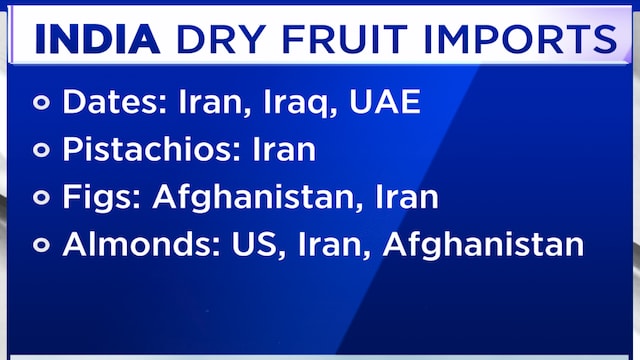
The impact is expected to be visible across key imported products such as almonds, pistachios and dates. Compared to last Diwali, consumers may have to pay significantly more this year. Pabreja estimates prices could rise 20–30%, and even higher if demand remains strong during the festive season.
A stronger US dollar is adding another layer of pressure. Pabreja warned that if the rupee weakens further, dry fruit prices could rise even more because most imports are dollar-denominated.
India’s dry fruit market has been growing steadily over the years, with annual demand growth of around 10–12%. However, Pabreja believes this year could see demand stagnate or even decline because of higher prices. According to him, consumers may start shifting to other gifting options if dry fruit prices rise beyond a certain point.
Also Read | Why food companies are not raising prices yet despite higher costs
Despite the pressure on traditional dry fruits, demand for premium nuts and superfoods continues to grow. Pabreja said younger consumers are increasingly buying products such as pumpkin seeds, pecans, Brazil nuts and edamame because of rising health awareness and interest in high-protein alternatives.
Watch the full conversation here

Importers are also exploring alternative routes to reduce disruption. With regular trade channels through Iran and Afghanistan affected, companies are now looking at routes via Oman and Turkey, while some shipments are being moved by air despite higher costs.
Pabreja also called for government support to help ease the pressure on the industry, particularly around freight costs, port handling and documentation delays caused by the conflict.
Catch all the latest updates from the stock market here