
India’s merchandise exports reached a record $45.2 billion in May 2026, marking a significant jump in the country’s global trade performance. The rise was mainly supported by strong shipments of petroleum products, engineering goods, electronics, and manufactured items, showing that India’s export growth is expanding beyond traditional sectors. The latest figures highlight how India is strengthening its role in global supply chains, with demand rising from markets across Asia, Africa, Europe, and West Asia. The growth also reflects changing trade patterns as companies look for alternative manufacturing and supply-chain partners amid global economic shifts.
Why Did India’s Exports Rise to $45.2 Billion?
Record export growth was driven by strong industrial output, increased demand for Indian goods and growth in important industries. Petroleum products continued to be a significant contributor because of India’s massive refining capacity which enables it to export refined fuels to the global markets. Engineering goods, such as machinery, auto parts and industrial equipment, were also in strong demand, a sign of improving manufacturing capabilities. India’s trade performance has received a further boost from electronics exports as the country is becoming more incorporated into global technology supply chains.
What Changed in India’s Export Performance?
India’s export growth shows a move away from reliance on traditional categories like textiles, gems and agricultural products towards higher-value manufacturing sectors. Industries like electronics, engineering goods and industrial products have gained more importance than before. The increase also shows Indian exporters are establishing new markets and are not relying on limited number of trading partners. Such diversification is critical as geopolitical tensions, changing consumer demand and supply chain disruptions threaten global trade.
Key Factors Behind India’s Export Boost
Growth of Manufacturing Sector
India’s manufacturing sector is emerging as a key driver for export growth with international demand for engineering products, machinery and industrial goods. Government initiatives, infrastructure development and growing investment in manufacturing have helped increase production capacity. The growth in these sectors is a sign that India is slowly turning into a stronger manufacturing hub rather than relying on services only.
India’s Petroleum Export Advantage
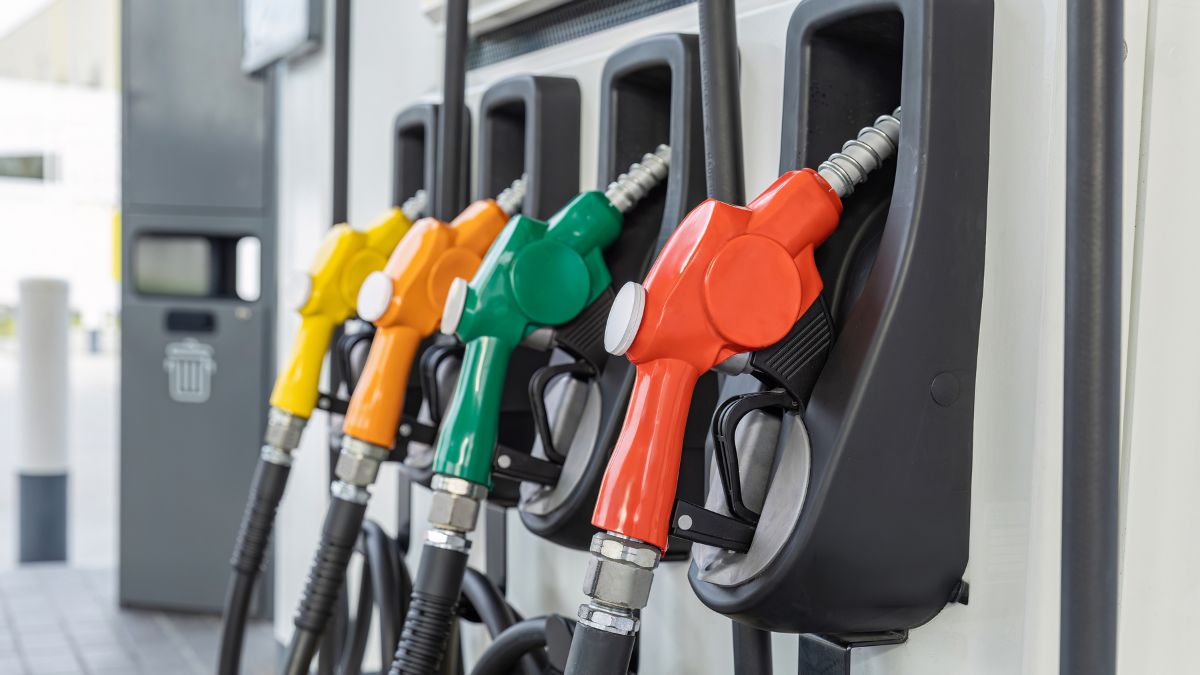
India’s strong refining capacity meant that petrol and other petroleum products were an important driver of export growth. While India imports crude oil, it has some of the world’s biggest refineries that process it into high-value refined products like diesel and aviation fuel. This refining strength enables India to continue as an important supplier in the global energy market.
Rise of Electronics Exports
Electronics has emerged as one of the fastest growing export sectors for India. India has become more integrated into international supply chains with more smartphone manufacturing, production of electronic components and investment by global companies. The growth of this sector is crucial as it generates employment in high-value sectors and boosts India’s position in technology manufacturing.
Expansion Into New Global Markets
The demand from different regions like Southeast Asia, Africa, Europe and the Middle East is increasingly supporting India’s export growth. The increase in trade with countries like Singapore, Tanzania and South Africa reflects India’s strategy to look beyond traditional markets. A wider export network reduces risks and offers more opportunities to Indian businesses.
Top Countries Buying Indian Products
United States
The US continues to be one of the largest export destinations for India and imports pharmaceuticals, engineering goods, electronics, textiles, gems and jewellery, petroleum products etc. It has a large consumer market and a demand for a wide range of products which makes it a key destination for Indian exporters. The two countries’ economies are closely linked, and their business cooperation is growing, supporting trade between them.
United Arab Emirates
The UAE is a key trade partner for India due to its strategic location and its position as a global business hub. India exports petroleum products, food articles, jewellery, machinery and manufactured goods to UAE. The country also serves as a gateway for Indian products to reach markets in the Middle East and Africa.
Netherlands
The Netherlands has emerged as an important European market for Indian exports. Petroleum products, chemicals, machinery, and agricultural commodities are among the nation’s exports. Its sophisticated ports and logistics infrastructure make it a major gateway for Indian goods into the European market.
Singapore
Singapore is gaining importance as a financial and shipping centre in the Indian trade network. Indian exports to Singapore are petroleum products, industrial goods and other manufactured items. Its strategic location gives it an important link between India and world markets.
United Kingdom
The UK continues to be a substantial market for Indian exports such as pharmaceuticals, textiles, machinery, food products and jewellery. India’s engagement in the British market has been reinforced by the longstanding trade relations and increasing economic cooperation.
African Markets
Countries such as Tanzania and South Africa are becoming more important in India’s export strategy. India’s growing trade with Africa includes petroleum products, medicines, machinery and industrial goods. India’s expansion into African markets helps it extend its reach in the global economy and create new trade opportunities.
How Does India Compare With Other Exporting Countries?
India is fast becoming one of the world’s fastest-growing big economies in trade, but still competes with established export giants like China, the United States and Germany. China still has the largest share of global merchandise exports, thanks to its huge manufacturing ecosystem. Germany is the leader in high-value engineering exports. India’s benefit is a large workforce, a growing manufacturing sector, an expanding domestic market and an increasing role in global supply-chain diversification.
First Published: Jun 16, 2026, 18:03 IST