
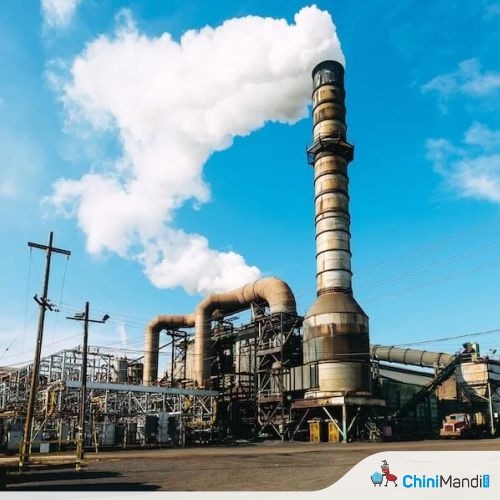
The Kenya Sugar Board (KSB) has pushed back against concerns that imported industrial sugar is being diverted into the local retail market, insisting that all such consignments are raw materials destined for manufacturing and are subject to close multi-agency oversight, Eastleigh Voice reported.
The clarification was made during an oversight session with the National Assembly Committee on Agriculture and Livestock at Sukari Plaza in Kabete. The Committee was chaired by Dr. John Mutunga, Member of Parliament for Tigania West, and also included Nyando MP Jared Okello and Kisumu County Woman Representative Ruth Odinga. The session focused on the management of sugar imports and their potential impact on the domestic market.


The Board explained that Kenya does not produce industrial sugar locally and that imports of this nature consist of raw sugar that is not suitable for direct consumption and therefore cannot enter the retail market. It said the country’s annual industrial sugar requirement of approximately 200,000 metric tonnes is currently met entirely through imports, which serve as key inputs for the manufacturing sector.
To prevent diversion, the Board said a multi-agency team has been deployed to monitor consignments stored at the port of Mombasa and ensure compliance with the terms of import licences.
Acting Chief Executive Officer Jude Chesire told the Committee that while the Board has largely addressed earlier governance and institutional challenges, some legal disputes remain pending before the courts. He said cases filed at the Kakamega High Court are contesting the structure of the Board, including matters of representation and the delineation of sugar catchment areas, with hearings scheduled for mention in May and June 2026. Chesire noted that in the absence of conservatory orders, the Board’s structural implementation is continuing, though the pending cases carry the risk of future invalidation of its current governance provisions.
On membership, the Board said it has begun constituting its full composition, with elections for five grower representatives scheduled for June 23, 2026 and two miller representatives for June 24, 2026. Four members have already been appointed, though the Committee requested supporting documentation to confirm that those appointments meet the statutory requirements.
The Committee’s attention was also drawn to a Common Market for Eastern and Southern Africa (COMESA)-approved refinery established in Mombasa in 2025 that has been lying idle due to a shortage of raw materials. The company has since been permitted to import raw sugar for refining purposes, with 27,000 metric tonnes currently held at the port.
On cane pricing, the Board said farmgate prices are determined through a multi-stakeholder formula based on production costs and prevailing market conditions. The pricing committee had initially projected a price of Sh4,800 per tonne in February before revising it upward to Sh5,425 to protect farmer earnings, even as millers continue to face margin pressure. A team has since been constituted to review production costs and reassess the existing 50-50 revenue-sharing arrangement between farmers and millers under the Sugar Act No. 11 of 2024.
The Board said the broader reform agenda is aimed at strengthening governance, stabilising the sugar sector, and ensuring proper regulation of both imports and industry operations.
