
Speaking to CNBC-TV18, Upasna Bhardwaj, Chief Economist at Kotak Mahindra Bank said, “Rupee should be allowed to weaken, but probably a little controlled in the sense that RBI (Reserve Bank of India) should be managing it very closely.”
She warned that a sharp fall in the currency could trigger inflation through higher fuel and transportation costs.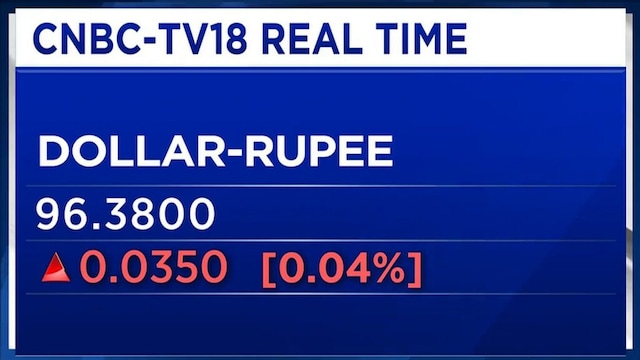
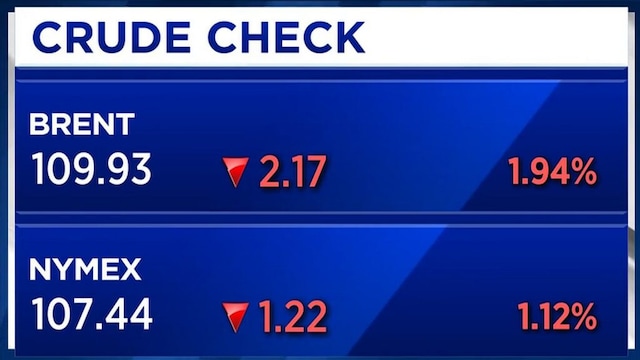
Sameer Narang, Head-Economics Research at ICICI Bank, said India also needs stronger steps to reduce non-essential imports, especially gold and silver, as global crude oil prices remain elevated.
According to Narang, gold and silver imports together account for around 2% of India’s gross domestic product (GDP). Reducing that by even 0.5 percentage points could significantly improve the current account deficit, which measures the gap between money flowing into and out of the country.
Also Read | Gold exchange gains momentum as Indians shift to lighter jewellery: BlueStone CEO
Bhardwaj said India may also need temporary restrictions on outward remittances under the Liberalised Remittance Scheme (LRS) and tighter limits on overseas investments if external pressures worsen.
“I think we will have to do a bunch of measures together,” she said, adding that a combination of import curbs, currency adjustment and regulatory tightening would be more effective than a single policy move.
Both economists, however, cautioned against panic-driven measures. Narang said India still has adequate forex reserves and should respond gradually rather than through extreme crisis steps.
He also warned that raising money through overseas bond issuances or special deposit schemes could become expensive because global interest rates remain high.
On foreign investor flows, both economists were sceptical that tweaking capital gains taxes alone would make a major difference, arguing that global sentiment and India’s broader economic outlook matter more.
Watch the full conversation here

Narang said India should continue focusing on long-term structural reforms such as semiconductor manufacturing, export competitiveness and improving investment sentiment.
“A couple of years back, we never had a semiconductor plant as well, so we have started that semiconductor fabrication facility. We need to do more of it,” he said.
Also Read | Kotak’s Sanjeev Prasad warns on weak Nifty earnings quality, sees more fuel price hikes
The economists also lowered expectations for economic growth this year amid rising global uncertainty and commodity prices. Narang said ICICI Bank has cut its GDP growth estimate to 6.5% from 6.9%, while Bhardwaj expects growth could slow further to 6-6.3% if current pressures continue.
Catch all the latest updates from the stock market here